
← Halftank Studio

Case studies

Three systems that had outgrown anyone's ability to explain them, and what the ORCA process did about it.

Refreshing a revered publication for a new audience

Skills: product strategy, ideas to initiatives, UX and product collaboration, facilitating innovation, mobile product development, B2C

Issue

This national magazine has been published for almost 90 years — my own family were avid subscribers. But their iOS app was little more than a lookup table of ratings, and it needed something that made it worth opening on its own.

Approach

As a business analyst on the iOS app team, I used an Object-Oriented UX framework to find where content in the app could be connected, then worked with the client to get those connections onto their roadmap.

The clearest gap: users could read product reviews but couldn't save them. That became a shipped feature, along with a way to bring the magazine's most popular content into the app's existing structure.

Result

The app holds a 4.8 out of 5 rating on the App Store and drives over 1,500 new digital subscriptions every month.
Simplifying 60 apps into one for a Fortune 100 financial powerhouse

Skills: product modernization, Agile product development, UX and product collaboration, roadmap development, ideas to initiatives, fintech, design systems

Issue

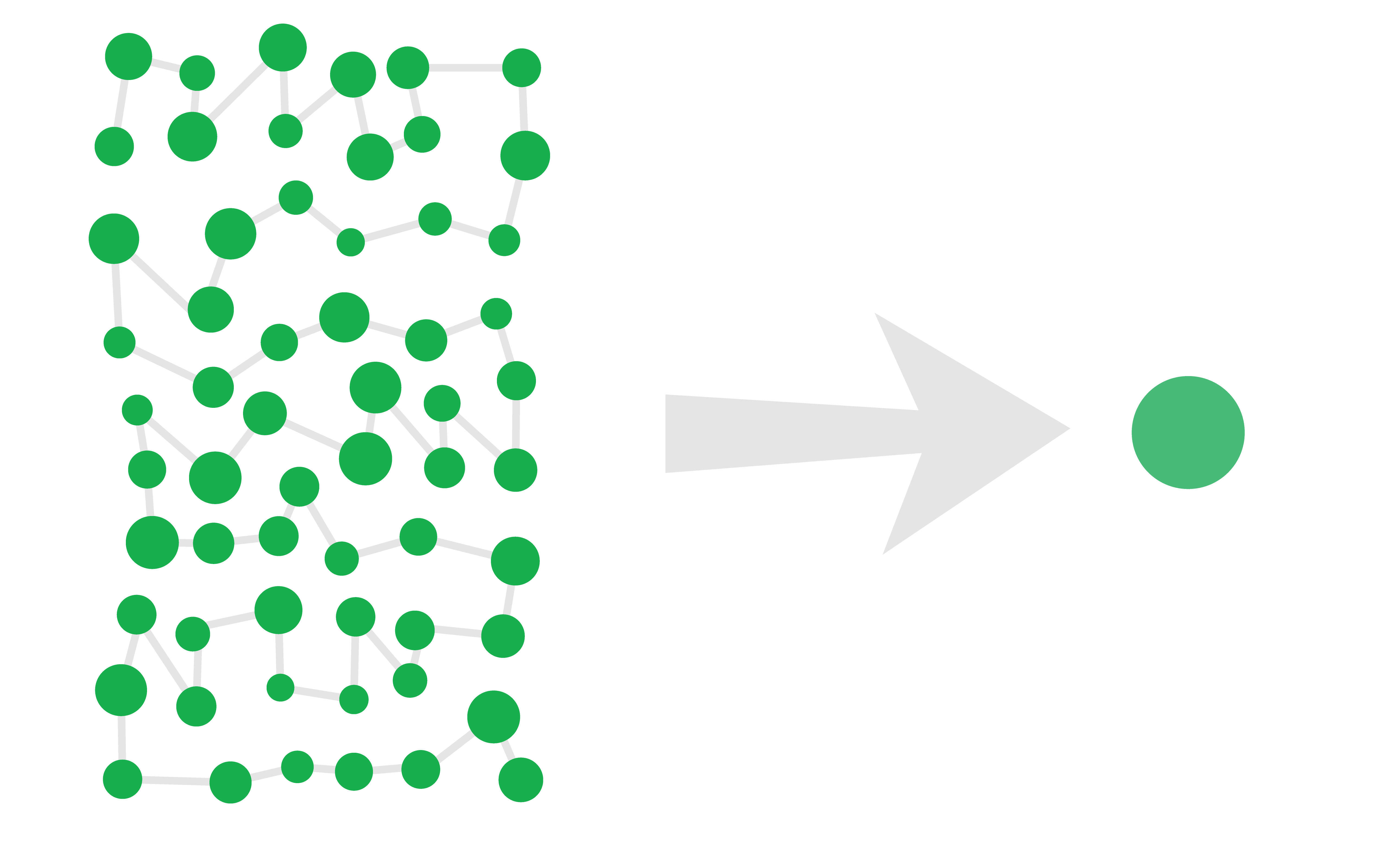
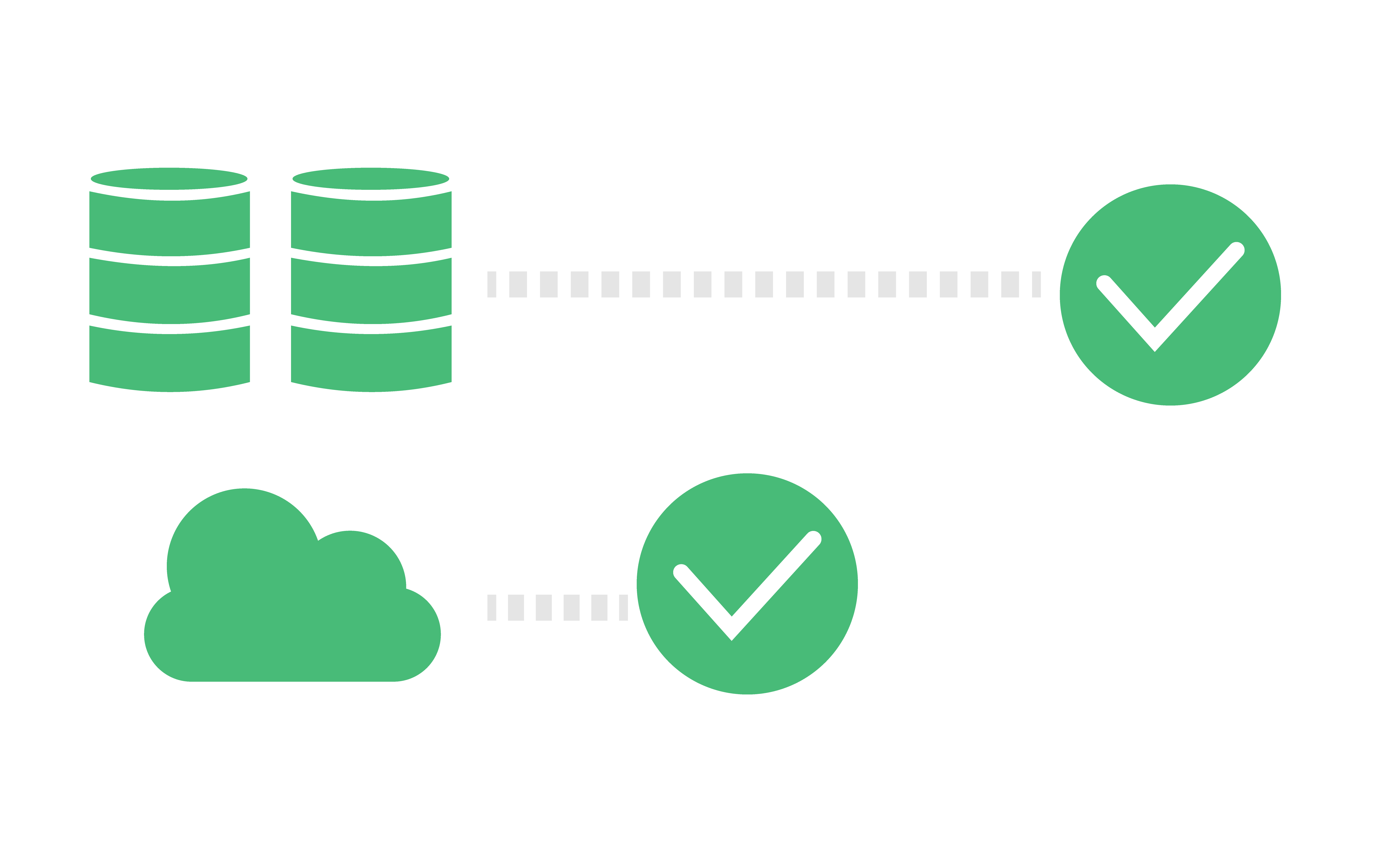
My client was a Fortune 100 financial institution managing over $3 trillion in assets. A few years ago you would have been shocked by how their internal systems worked: more than 60 separate databases held information about the company's assets, and many processes were still done by hand.

Approach

As UX lead for the group defining shared components, I was responsible for the pieces used across the whole loan process — notifications, training, onboarding. Each had to hold up for 40 distinct user roles, with the underlying databases feeding a different information display to each one.

This ran inside a SAFe program of 12 to 15 Agile teams, in the first two years of a multi-year transformation. Successful doesn't mean tidy: a large part of what made it work was being comfortable with ambiguity, and OOUX gave diverse teams a way to understand a complex system quickly enough to argue about the right things.

Result

Over 90% of users moved to the new platform within six months of MVP launch — a platform with interfaces built for all 40 user roles, from loan originators to underwriters to investors.

Updating a homegrown app for tomorrow's needs

Skills: OOUX, ORCA, product modernization, Agile product development, facilitating collaboration, UX and product collaboration, B2B, government compliance

Issue

Decades of wireless compliance expertise, running on two aging systems that couldn't talk to each other and weren't secure enough — with nothing to remind customers of the monthly filings that keep their licenses active.

Approach

As product strategy lead, I ran discovery workshops with the client and used ORCA (Objects, Relationships, Calls-to-action, Attributes) to gather requirements for a system that had to merge converted databases from both legacy platforms. Discovery ran waterfall; the two-year build ran Agile.

The product upgrades:

  • Automated recommendations and reminders, driven by business logic
  • A tasking system with real-time filing status, so customers can see where everything stands
  • Escrow payments handled through an API into their financial systems

With a UX designer, I turned the findings into a Figma prototype — the artifact that finally got the team and the client picturing the same product.

Result

The development team solved years-old problems in days, and we had a complete prototype inside two months. What made it possible: an ORCA-built system architecture the whole team could hold in their heads.

Automating data cleanup so analysts can use AI models

Skills: user research and synthesis, new product definition, prototyping, AI and machine learning product strategy, B2B SaaS, data tooling

Issue

An established data analytics company wanted to open AI modeling up to the people who actually ask the questions. AI needs clean data, and cleaning it could eat up to 60% of a developer's week — missing values, bad entries, all of it degrading the model's output. The goal was to automate that for business analysts, not developers.

Approach

Interviews turned up the real bottleneck: business analysts can't edit databases, so cleanup fell to developers — on data sets of millions of rows refreshed nightly, sometimes hourly. Never a one-time job.

But the interviews also showed the cleanup followed patterns: null values removed, the same handling every time. Those patterns are what I automated.

Result

I worked with subject matter experts to build a prototype for executives and investors: data upload, then a workflow for assigning cleanup rules at scale. It demonstrated that analysts could prepare their own data for modeling with one click, no developer time required.

Got a system nobody can explain?

That's the conversation I want to have. No pitch deck required — just describe the mess.

Email me